


ErbB signaling pathway
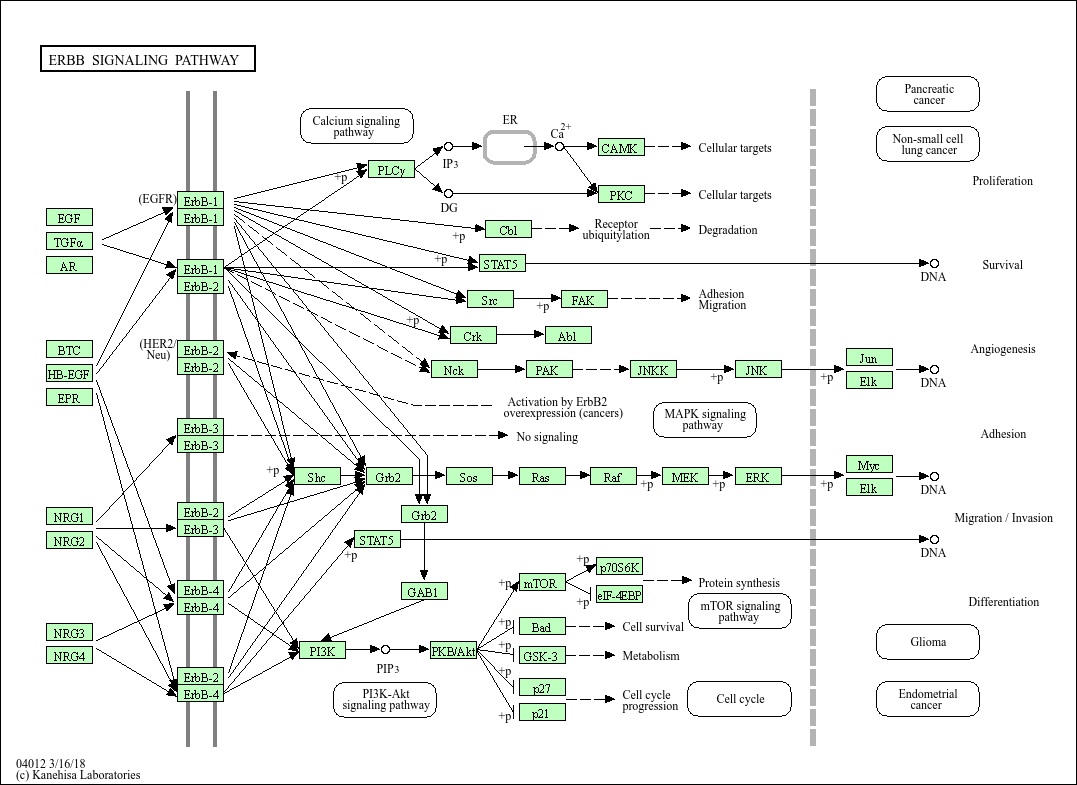
Belonging to the receptor tyrosine kinase (RTK) family, it mediates signal transduction of ligands such as epidermal growth factor (EGF) and epiregulin (EREG). Upon ligand binding, ErbB receptors (ErbB1-4) undergo dimerization (homodimerization or heterodimerization), and the intracellular tyrosine residues are phosphorylated, activating downstream signaling pathways including Ras-MAPK, PI3K-Akt, and PLC-γ. Its core functions include promoting cell proliferation, inhibiting apoptosis, and regulating cell migration and differentiation, playing a key role in embryonic development (e.g., neural tube formation, organ morphogenesis) and tissue repair (e.g., skin wound healing). Mutations or overexpression of ErbB receptors can lead to abnormal activation of the pathway, driving the occurrence and development of tumors such as lung cancer, breast cancer, and gastric cancer, and it is an important target for targeted therapy (e.g., gefitinib, trastuzumab).
Core function: Mediate EGF family signals to promote cell proliferation, differentiation, survival, and migration, participating in embryonic development and tissue repair. Key regulatory molecules: ErbB1 (EGFR), ErbB2/3/4, Ras, MAPK, PI3K-Akt.
Core function: Mediate EGF family signals to promote cell proliferation, differentiation, survival, and migration, participating in embryonic development and tissue repair. Key regulatory molecules: ErbB1 (EGFR), ErbB2/3/4, Ras, MAPK, PI3K-Akt.
Product list
-
{{item.title}}{{item.react}}{{item.applicat}}
Product list
Product name
Reactivity
Application
Related Resource Links



Related Promotional Journal Downloads


Explore Our Recommended Popular Products
More products
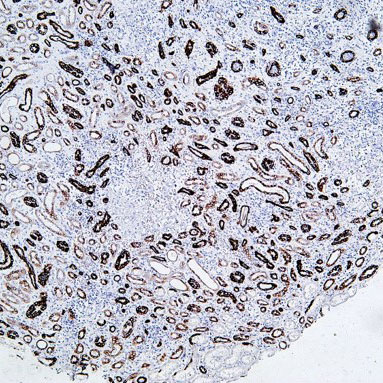
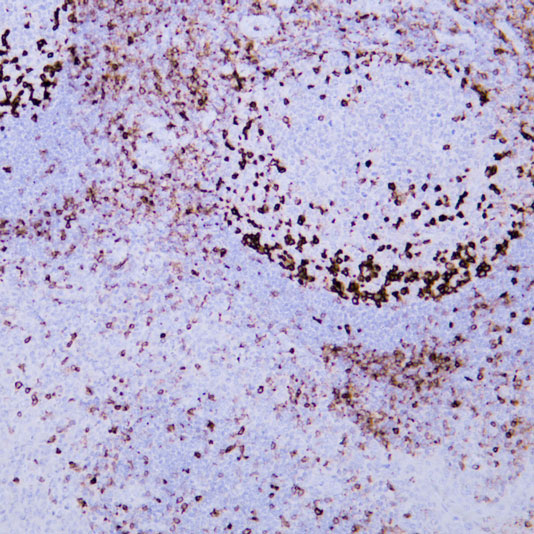
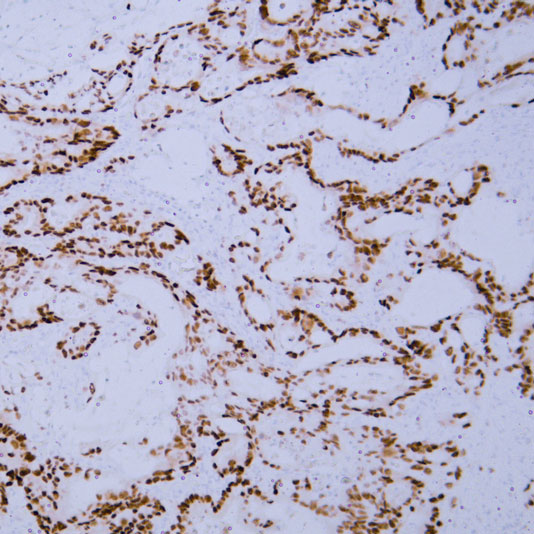
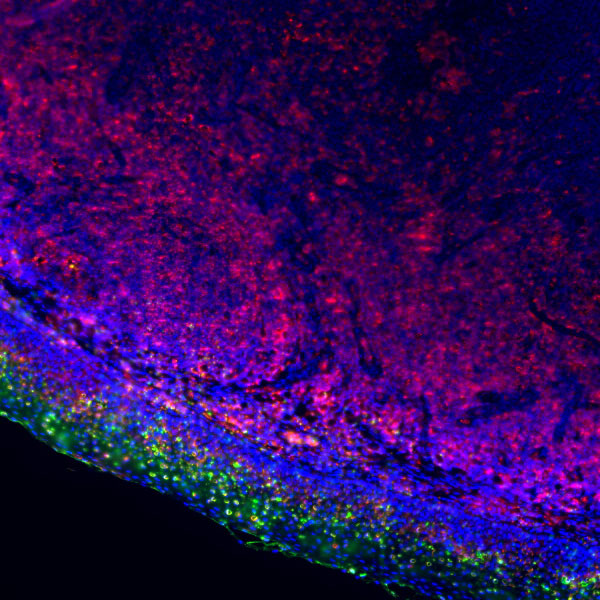

30,000+ high- quality products available online
Primary Antibodies, Secondary Antibodies, mIHC Kits, ELISA Kits, Proteins, Molecular Biology Products,Cell Lines,Reagents ...
Contact Us
-

400-801-6722
-

support@lamarck.cn
-


Order
-

Message