


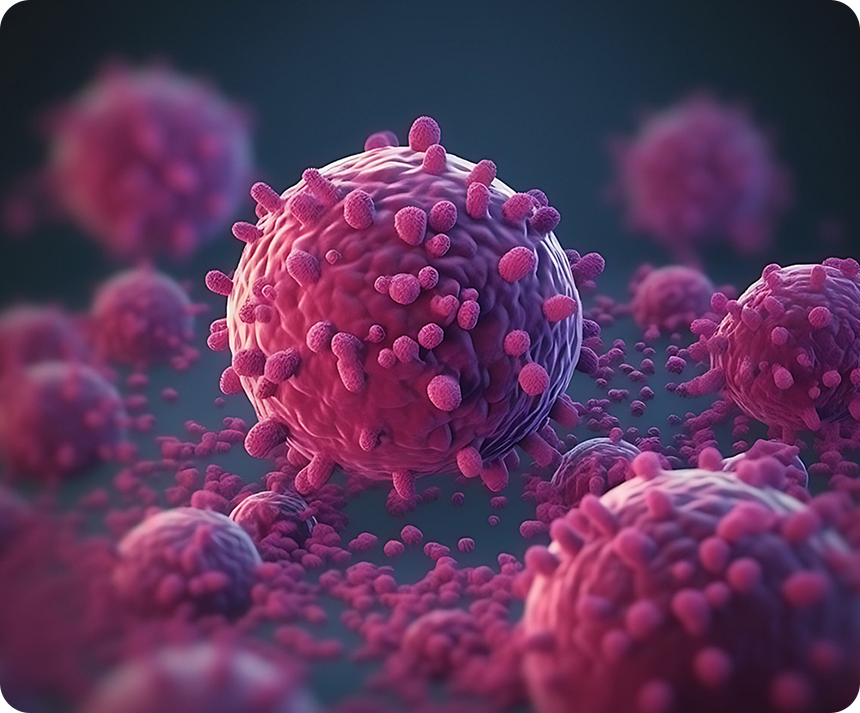
Basic research on stem cells focuses on the "maintenance of pluripotency, directed differentiation, and niche regulation" of stem cells. Its core is to decipher the molecular mechanisms underlying stem cell self-renewal and fate determination, providing fundamental theoretical support for regenerative medicine, disease model construction, and new drug development.
1. Regulatory Mechanisms of Stem Cell Pluripotency
Molecular network for pluripotency maintenance: Explore the synergistic effects of core transcription factors (e.g., Oct4, Sox2, Nanog), decipher the stable regulatory role of epigenetic modifications (DNA methylation, histone modification, chromatin remodeling) in stem cell pluripotency, and the regulatory functions of non-coding RNAs (miRNA, lncRNA).
Pluripotency hierarchy and transition: Study the totipotency of embryonic stem cells (ESCs) and the reprogramming mechanism of induced pluripotent stem cells (iPSCs), reveal the molecular switches for pluripotency state (naive/primed) transition, and the regulatory logic of tissue-specific pluripotency in adult stem cells.
Molecular mechanism of reprogramming: Decipher the key steps of somatic cell fate reversal during iPSC induction, investigate the driving role of transcription factors and epigenetic modulators in cell identity reprogramming, and optimize reprogramming efficiency and safety.
2. Directed Differentiation and Lineage Determination of Stem Cells
Molecular regulation of lineage differentiation: Elucidate the signaling pathways (e.g., Wnt, BMP, Notch) underlying stem cell differentiation into specific tissue cells (neural, cardiomyocyte, hematopoietic, hepatic, etc.), and identify lineage-specific markers and key regulatory genes.
Epigenetic regulation during differentiation: Study the dynamic changes of DNA methylation profiles and histone modification patterns during differentiation, decipher the impact of epigenetic memory on lineage maintenance, and explore how to achieve precise differentiation through epigenetic intervention.
Optimization of in vitro differentiation systems: Establish in vitro differentiation models simulating the in vivo developmental niche to address issues such as low purity and immature function of differentiated cells, providing high-quality seed cells for cell therapy.
3. Stem Cell Niche Regulation
Composition and function of the niche: Decipher the regulatory role of the niche (composed of surrounding cells such as support cells and immune cells, extracellular matrix (ECM), and cytokines) in stem cell self-renewal, differentiation, and quiescence.
Niche signaling mechanisms: Explore how soluble factors (e.g., growth factors, cytokines), mechanical forces, and metabolites in the niche affect stem cell fate through receptor-mediated signaling pathways, as well as the bidirectional interaction between stem cells and the niche.
Niche alterations under pathological conditions: Study the abnormal changes of the stem cell niche during aging, injury, and diseases (e.g., tumors) and their impacts on stem cell function, providing a theoretical basis for niche-targeted therapies.
4. Stem Cells, Diseases, and Regenerative Repair
Construction of stem cell-based disease models: Use iPSCs to establish in vitro models of hereditary diseases (e.g., amyotrophic lateral sclerosis, thalassemia) and degenerative diseases (e.g., Alzheimer's disease, Parkinson's disease) to decipher disease pathogenesis.
Regenerative repair mechanisms of stem cells: Investigate the migration, homing, and differentiation mechanisms of stem cells after tissue injury (e.g., myocardial infarction, spinal cord injury, liver fibrosis), and analyze the role of stem cell paracrine effects (e.g., secretion of cytokines and exosomes) in repair.
Association between stem cell abnormalities and diseases: Reveal the correlation between stem cell dysfunction (e.g., excessive proliferation, differentiation defects) and tumorigenesis, tissue aging, and decipher the origin and regulatory mechanisms of cancer stem cells.
Gene editing technologies: Use CRISPR/Cas9, TALEN, etc., to construct stem cell gene knockout/knock-in models for verifying gene functions and regulatory networks.
Single-cell omics technologies: Analyze stem cell heterogeneity, differentiation trajectories, and molecular characteristics through single-cell transcriptome, single-cell epigenome, and single-cell proteome sequencing.
Gene editing technologies: Use CRISPR/Cas9, TALEN, etc., to construct stem cell gene knockout/knock-in models for verifying gene functions and regulatory networks.
In vivo imaging and tracing technologies: Track the migration, proliferation, and differentiation dynamics of stem cells in vivo in real time using fluorescence labeling, bioluminescence, mass cytometry, etc.
3D culture and organoid technologies: Construct stem cell-derived organoids (e.g., brain organoids, liver organoids) to simulate the structure and function of in vivo tissues and organs for mechanism research and drug screening.
Bioinformatics and systems biology: Integrate multi-omics data to construct stem cell regulatory network models and predict key regulatory nodes and potential intervention targets.
Related Resource Links

Related Promotional Journal Downloads


Explore Our Recommended Popular Products
More products

30,000+ high- quality products available online
Primary Antibodies, Secondary Antibodies, mIHC Kits, ELISA Kits, Proteins, Molecular Biology Products,Cell Lines,Reagents ...
Contact Us
-

400-801-6722
-

support@lamarck.cn
-


Order
-

Message