


Wnt signaling pathway
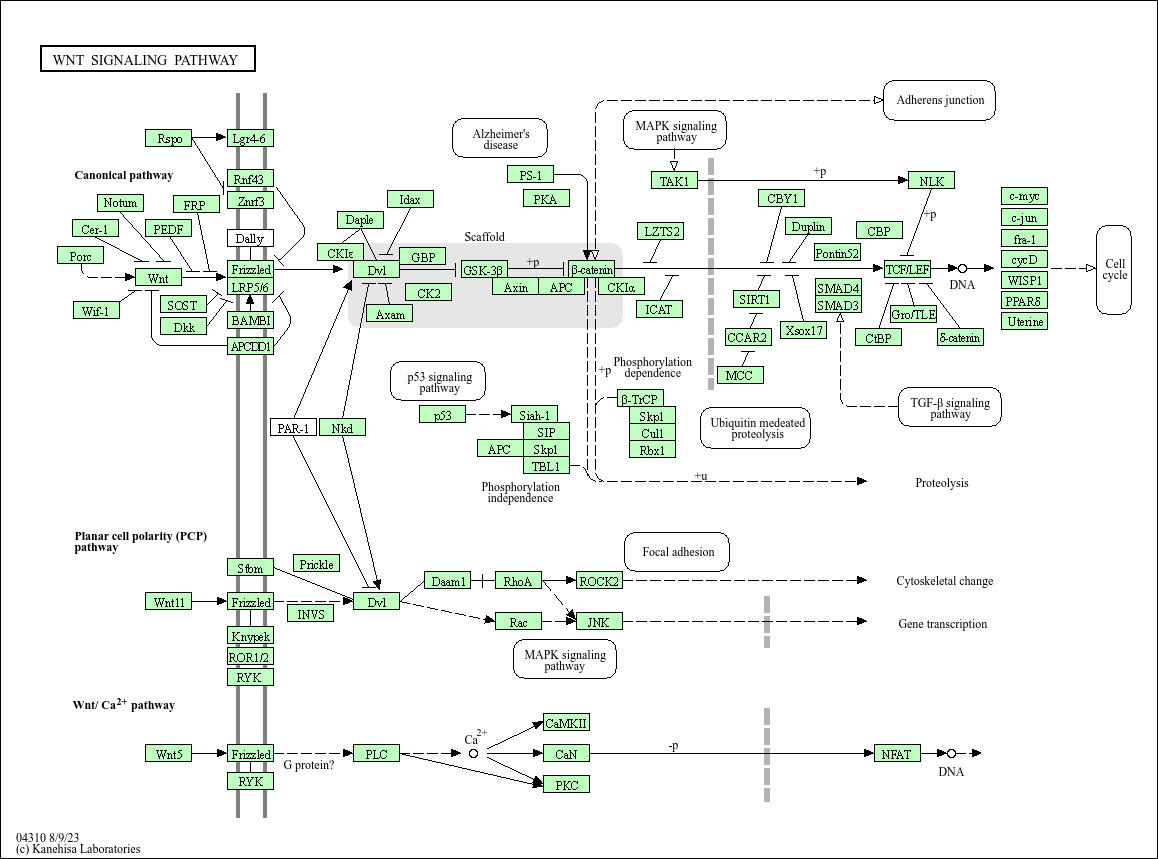
An evolutionarily conserved pathway, divided into the canonical pathway (β-Catenin-dependent) and non-canonical pathways (β-Catenin-independent, such as planar cell polarity pathway and Ca²⁺ pathway). In the canonical pathway, Wnt ligands bind to Frizzled receptors and LRP5/6 co-receptors, inhibiting the activity of the β-Catenin degradation complex (APC, GSK3β, Axin), stabilizing β-Catenin which then translocates to the nucleus and binds to TCF/LEF transcription factors to activate target genes (e.g., Cyclin D1, c-Myc); non-canonical pathways mainly regulate cytoskeleton rearrangement and cell migration. Core functions include body axis formation, organogenesis, and maintenance of stem cell pluripotency during embryonic development, and participation in tissue renewal (e.g., intestine, skin) in adults. Abnormal activation of the canonical pathway is the core molecular event in colorectal cancer (APC mutations leading to sustained accumulation of β-Catenin), and it is also closely associated with tumors such as liver cancer and breast cancer. Inhibitors targeting β-Catenin or Wnt receptors are under development.
Core function: Regulate embryonic development, stem cell pluripotency maintenance, and cell proliferation and differentiation; abnormal activation is associated with tumorigenesis. Key regulatory molecules: Wnt ligands, Frizzled receptors, β-Catenin, GSK3β, APC, TCF/LEF.
Core function: Regulate embryonic development, stem cell pluripotency maintenance, and cell proliferation and differentiation; abnormal activation is associated with tumorigenesis. Key regulatory molecules: Wnt ligands, Frizzled receptors, β-Catenin, GSK3β, APC, TCF/LEF.
Product list
-
{{item.title}}{{item.react}}{{item.applicat}}
Product list
Product name
Reactivity
Application
Related Resource Links



Related Promotional Journal Downloads


Explore Our Recommended Popular Products
More products
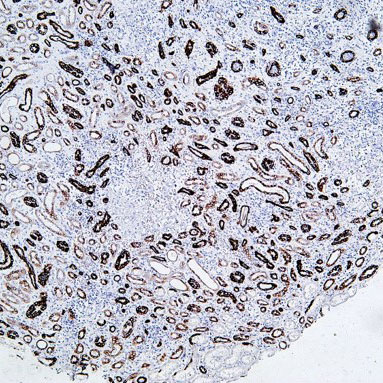
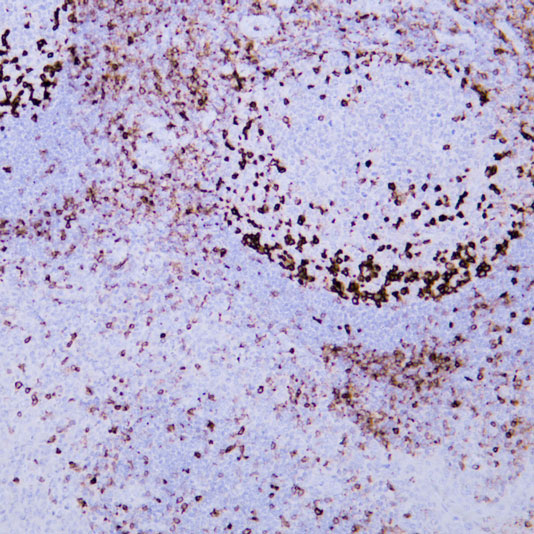
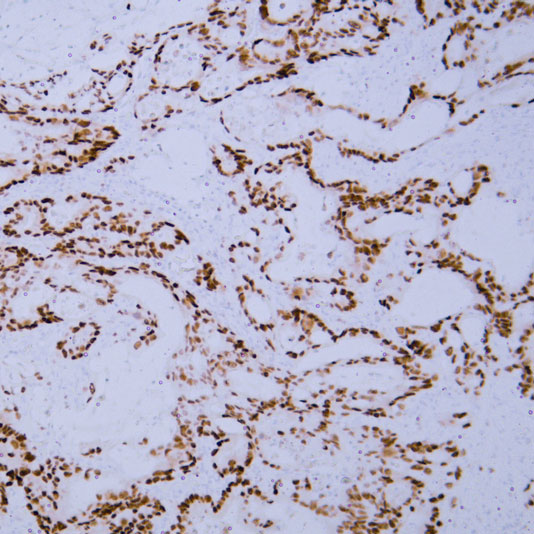
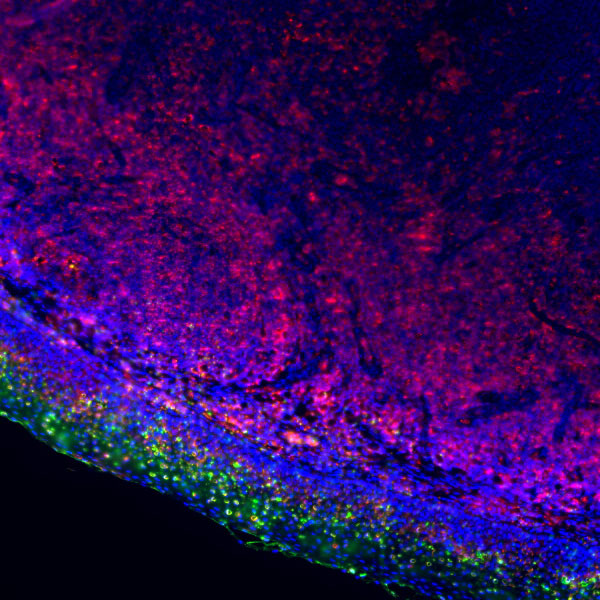

30,000+ high- quality products available online
Primary Antibodies, Secondary Antibodies, mIHC Kits, ELISA Kits, Proteins, Molecular Biology Products,Cell Lines,Reagents ...
Contact Us
-

400-801-6722
-

support@lamarck.cn
-


Order
-

Message