


AMPK signaling pathway
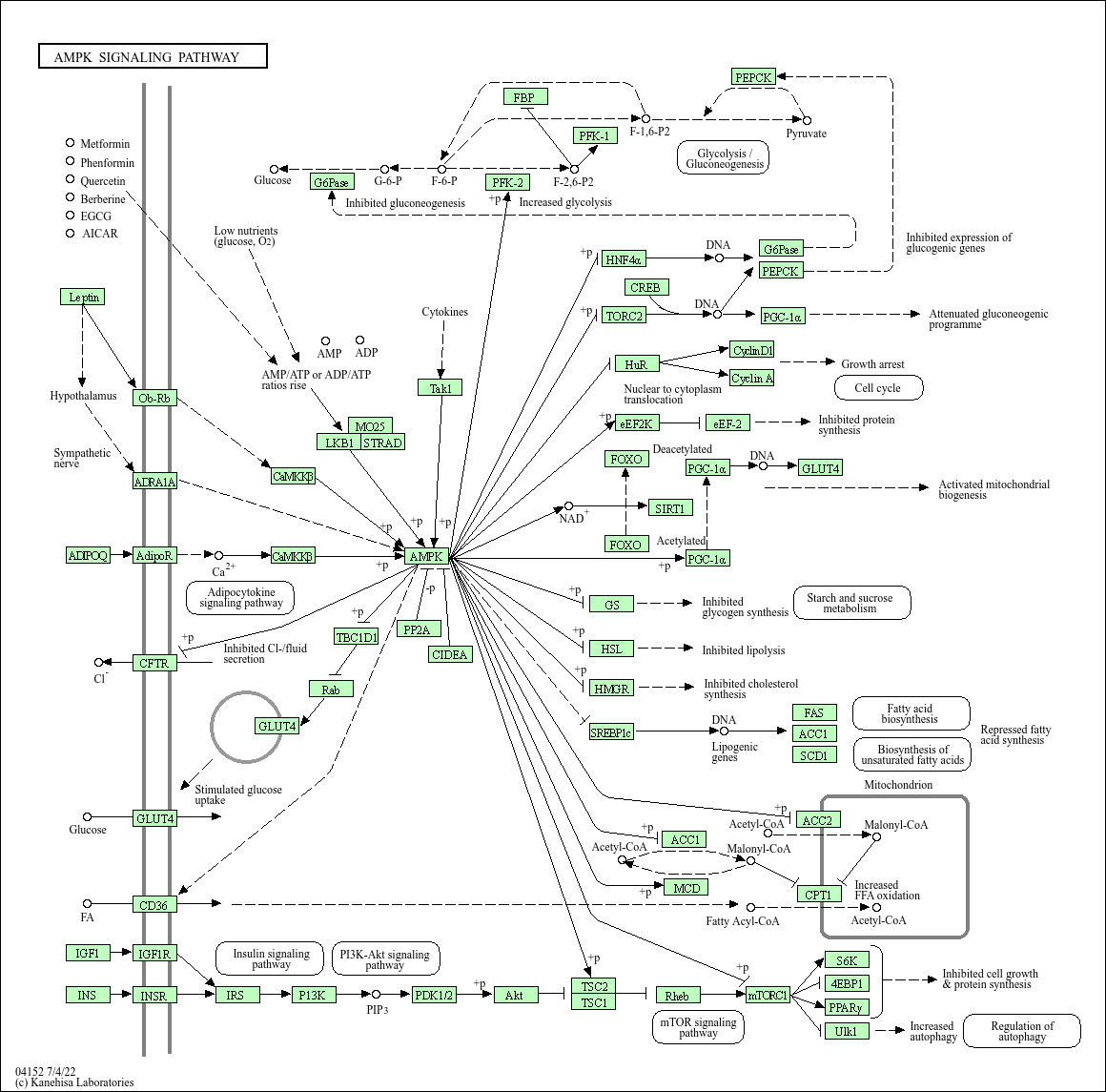
As the core "energy sensor" in cells, AMPK initiates signal transduction by sensing changes in the AMP/ATP ratio. Under energy deficiency (e.g., low glucose, hypoxia, exercise), AMP binds to AMPK and induces its phosphorylation and activation, thereby maintaining cellular homeostasis through multiple mechanisms: inhibiting proliferation-related pathways such as mTOR and S6K1 to reduce protein synthesis; promoting the expression of autophagy-related genes to degrade damaged proteins and organelles for energy recycling; activating glycolytic enzymes and fatty acid oxidation pathways to optimize energy supply. Additionally, AMPK participates in the regulation of insulin sensitivity and the inhibition of inflammatory responses. Its dysfunction is closely associated with diseases such as type 2 diabetes, obesity, and tumors, making it a potential target for the treatment of metabolic diseases and tumors.
Core function: Sense cellular energy status, regulate the balance between metabolism and proliferation, inhibit proliferation and promote autophagy under energy deficiency to maintain cellular homeostasis. Key regulatory molecules: AMPKα/β/γ subunits, LKB1, mTOR, FoxO.
Core function: Sense cellular energy status, regulate the balance between metabolism and proliferation, inhibit proliferation and promote autophagy under energy deficiency to maintain cellular homeostasis. Key regulatory molecules: AMPKα/β/γ subunits, LKB1, mTOR, FoxO.
Product list
-
{{item.title}}{{item.react}}{{item.applicat}}
Product list
Product name
Reactivity
Application
Related Resource Links



Related Promotional Journal Downloads


Explore Our Recommended Popular Products
More products
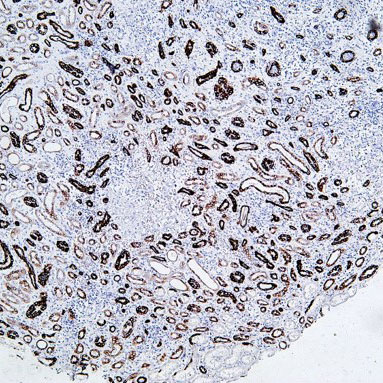
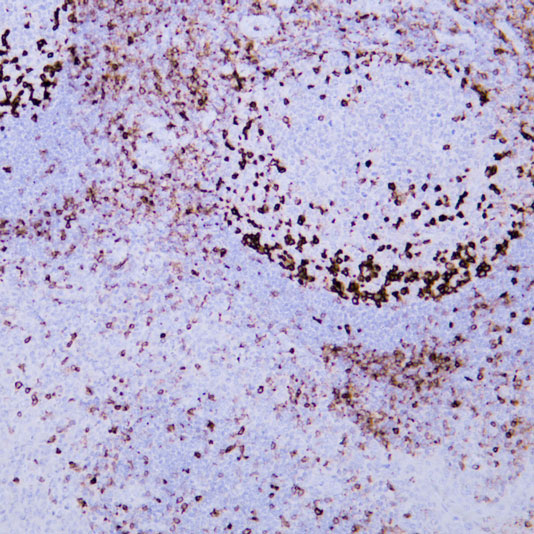
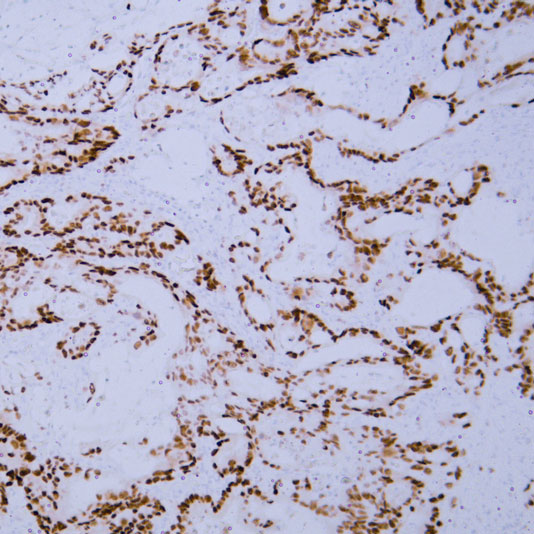
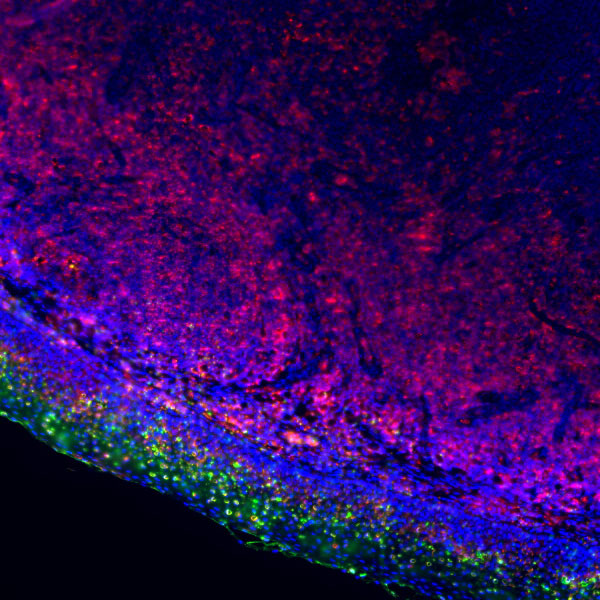

30,000+ high- quality products available online
Primary Antibodies, Secondary Antibodies, mIHC Kits, ELISA Kits, Proteins, Molecular Biology Products,Cell Lines,Reagents ...
Contact Us
-

400-801-6722
-

support@lamarck.cn
-


Order
-

Message