


Cytosolic DNA-sensing pathway
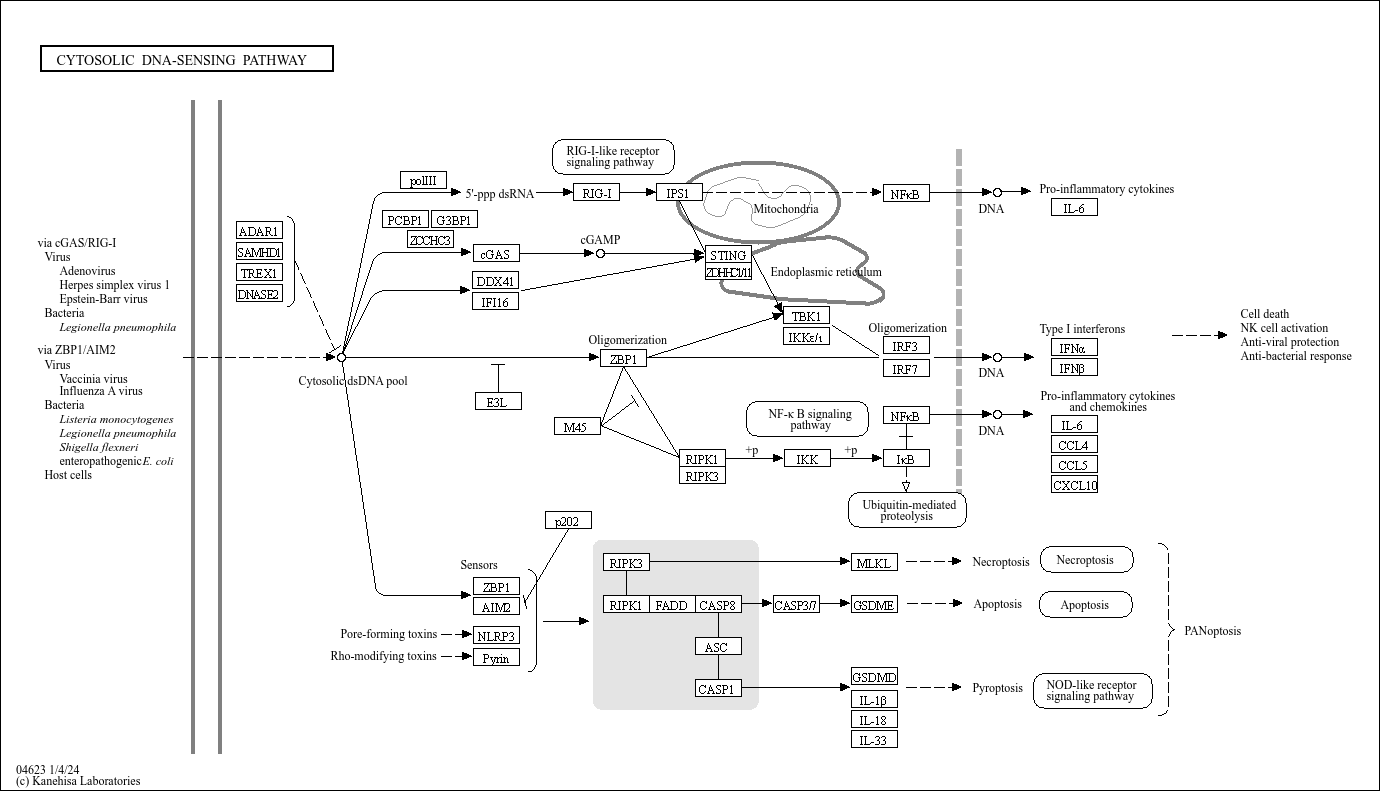
Core of basic research: It focuses on the innate immune response mechanism by which cells recognize abnormal cytoplasmic DNA (viral DNA, bacterial DNA, or self-DNA released from damaged cells), which is critical for anti-viral/bacterial infections and the occurrence of autoimmune diseases. The core DNA sensor cGAS recognizes DNA and catalyzes GTP and ATP to generate cGAMP. cGAMP binds to the endoplasmic reticulum protein STING, inducing STING dimerization and transport to the Golgi apparatus, recruiting and activating TBK1 kinase. TBK1 phosphorylates IRF3/7, which translocate to the nucleus to initiate transcription of type I interferons (IFN-α/β) and other interferons, while activating the NF-κB pathway to secrete inflammatory factors (TNF-α, IL-6). Research focuses include the specificity of cGAS in distinguishing self/exogenous DNA (to avoid autoimmunity activation), intracellular transport mechanism of STING, role of negative regulators (e.g., USP18), and molecular mechanisms of abnormal pathway activation by self-DNA in autoimmune diseases (e.g., systemic lupus erythematosus).
Core key proteins: cGAS (DNA sensor), STING (signal adaptor), TBK1 (serine/threonine kinase), IRF3/7 (interferon regulatory factors), NF-κB (p65/p50), IFN-α/β (type I interferons), IFNAR (interferon receptor), USP18 (negative regulator), DNA-PK (auxiliary DNA recognition).
Core key proteins: cGAS (DNA sensor), STING (signal adaptor), TBK1 (serine/threonine kinase), IRF3/7 (interferon regulatory factors), NF-κB (p65/p50), IFN-α/β (type I interferons), IFNAR (interferon receptor), USP18 (negative regulator), DNA-PK (auxiliary DNA recognition).
Product list
-
{{item.title}}{{item.react}}{{item.applicat}}
Product list
Product name
Reactivity
Application
Related Resource Links


Related Promotional Journal Downloads


Explore Our Recommended Popular Products
More products
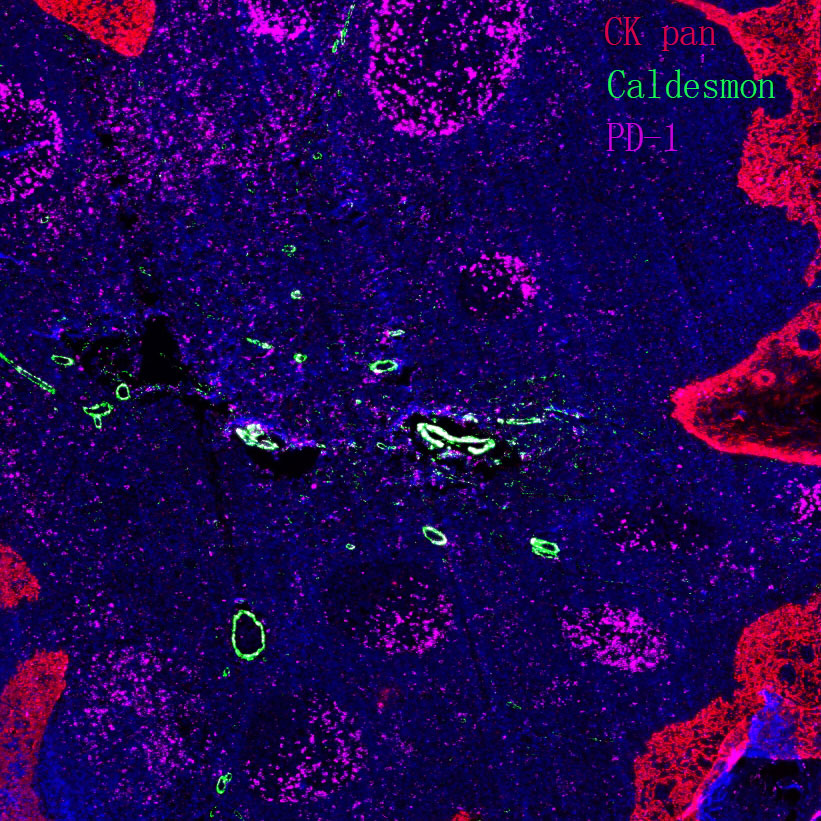
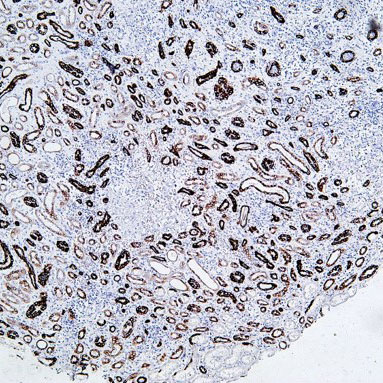
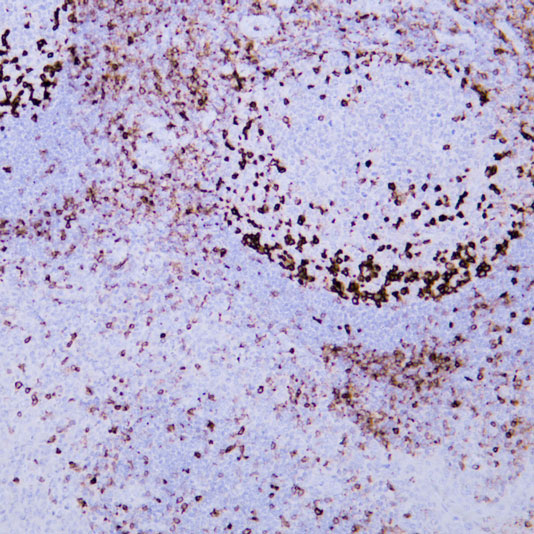
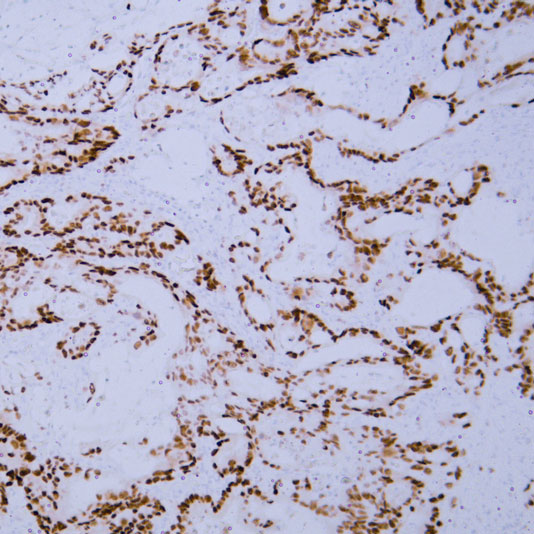

30,000+ high- quality products available online
Primary Antibodies, Secondary Antibodies, mIHC Kits, ELISA Kits, Proteins, Molecular Biology Products,Cell Lines,Reagents ...
Contact Us
-

400-801-6722
-

support@lamarck.cn
-


Order
-

Message