


Ferroptosis
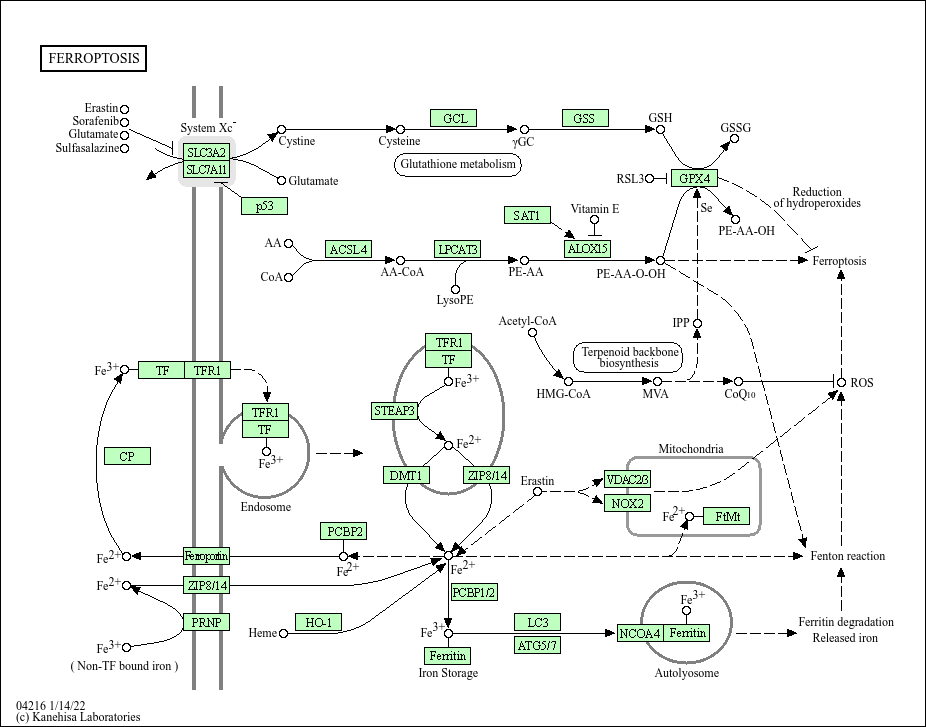
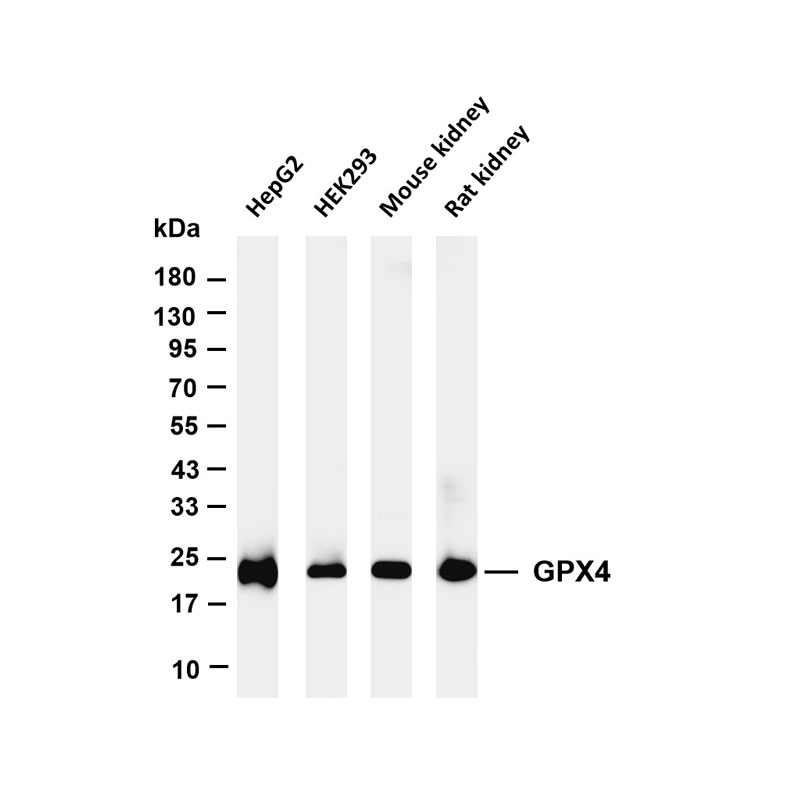
Core of basic research: Deciphers the molecular mechanism of iron-dependent programmed cell death triggered by accumulated lipid peroxidation, a novel cell death mode distinct from apoptosis and necrosis. The core mechanism involves disrupted intracellular iron homeostasis and uncontrolled lipid peroxidation: Iron ions (Fe²⁺) promote reactive oxygen species (ROS) production via the Fenton reaction, attacking polyunsaturated fatty acids (PUFA) to induce lipid peroxidation; simultaneously, dysfunction of the glutathione (GSH)-Glutathione Peroxidase 4 (GPX4) pathway impairs the clearance of peroxidized lipids, ultimately leading to cell death. This pathway participates in tumor suppression, ischemia-reperfusion injury, and neurodegenerative diseases. Research focuses include the regulation of iron metabolism (iron absorption, storage, transport), the expression regulation of GPX4, triggers of lipid peroxidation, cross-talk between ferroptosis and other death modes, and the association of pathway abnormalities with diseases and targeted interventions.
Core key proteins: Glutathione Peroxidase 4 (GPX4), Glutathione (GSH), Cysteine Transporter (SLC7A11/xCT), Iron Transporters (TfR1, Ferroportin), Iron Storage Protein (Ferritin), Transferrin, Lipoxygenase (LOX, promoting lipid peroxidation), ACSL4 (promoting PUFA synthesis), Nrf2 (regulating antioxidant gene expression), p53 (inhibiting SLC7A11, promoting ferroptosis).
Core key proteins: Glutathione Peroxidase 4 (GPX4), Glutathione (GSH), Cysteine Transporter (SLC7A11/xCT), Iron Transporters (TfR1, Ferroportin), Iron Storage Protein (Ferritin), Transferrin, Lipoxygenase (LOX, promoting lipid peroxidation), ACSL4 (promoting PUFA synthesis), Nrf2 (regulating antioxidant gene expression), p53 (inhibiting SLC7A11, promoting ferroptosis).
Product list
-
{{item.title}}{{item.react}}{{item.applicat}}
Product list
Product name
Reactivity
Application
Related Resource Links



Related Promotional Journal Downloads


Explore Our Recommended Popular Products
More products

30,000+ high- quality products available online
Primary Antibodies, Secondary Antibodies, mIHC Kits, ELISA Kits, Proteins, Molecular Biology Products,Cell Lines,Reagents ...
Contact Us
-

400-801-6722
-

support@lamarck.cn
-


Order
-

Message