


Chemokine signaling pathway
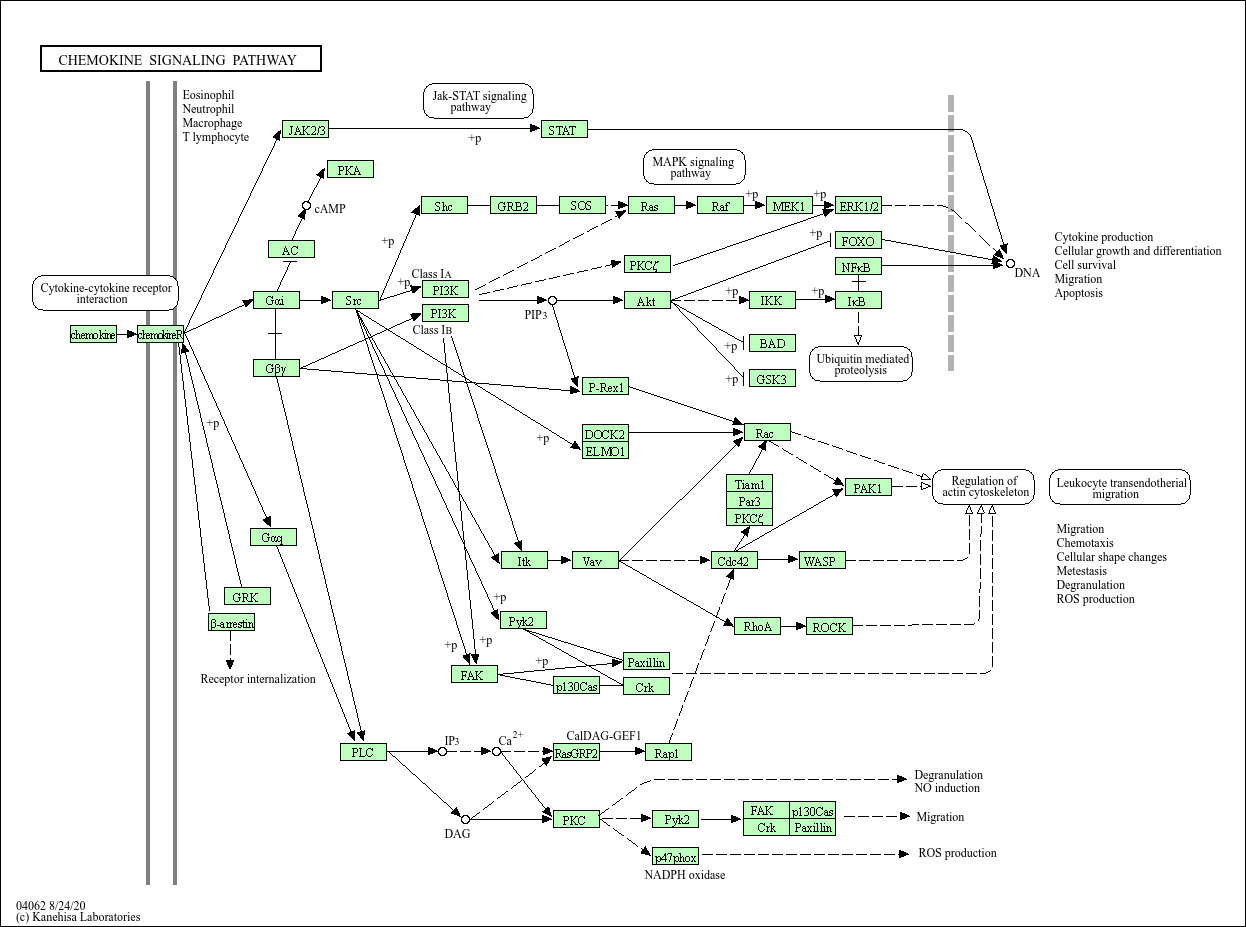
Core of basic research: As a "navigation system" for directional recruitment of immune cells in inflammatory responses, it focuses on the signal transduction mechanism after chemokines bind to G protein-coupled receptors (GPCRs). Chemokines (e.g., CXCL8 for neutrophils, CCL2 for monocytes) bind to receptors, activating Gi/Gq proteins and releasing Gα and Gβγ subunits, which regulate the PI3K-Akt and MAPK pathways respectively. Ultimately, Rho GTPases (Rac1, Cdc42, RhoA) mediate cytoskeletal rearrangement to achieve directional cell migration. Research focuses include the mechanism of chemokine gradient formation, regulation of receptor desensitization and internalization (to avoid excessive migration), synergistic or antagonistic effects between different chemokines, and pathway abnormalities in pathological states (e.g., uncontrolled inflammatory infiltration due to excessive chemokine secretion in infections and tumor metastasis).
Core key proteins: Chemokines (CXCL8, CCL2, CXCL10, CXCL12), chemokine receptors (CXCR1/2, CCR2, CXCR4), G proteins (Gi/Gq), PI3K, Akt, MAPK (ERK/JNK/p38), Rho GTPases (Rac1, Cdc42, RhoA), PLC-γ, Vav1 (Rho guanine nucleotide exchange factor).
Core key proteins: Chemokines (CXCL8, CCL2, CXCL10, CXCL12), chemokine receptors (CXCR1/2, CCR2, CXCR4), G proteins (Gi/Gq), PI3K, Akt, MAPK (ERK/JNK/p38), Rho GTPases (Rac1, Cdc42, RhoA), PLC-γ, Vav1 (Rho guanine nucleotide exchange factor).
Product list
-
{{item.title}}{{item.react}}{{item.applicat}}
Product list
Product name
Reactivity
Application
Related Resource Links



Related Promotional Journal Downloads


Explore Our Recommended Popular Products
More products
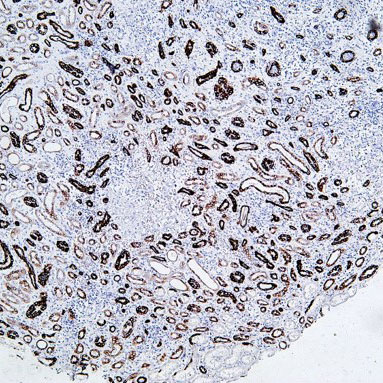
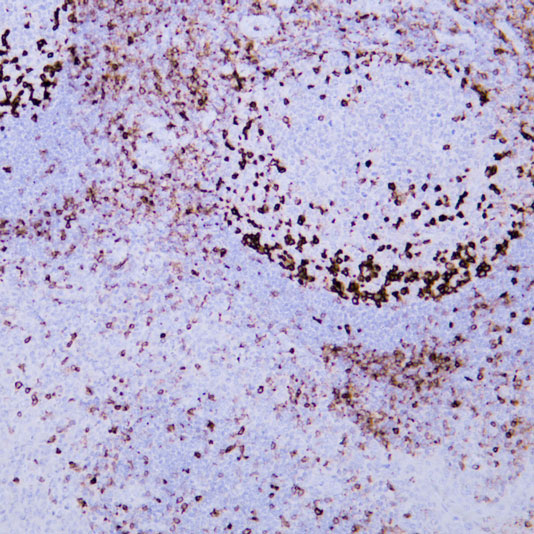
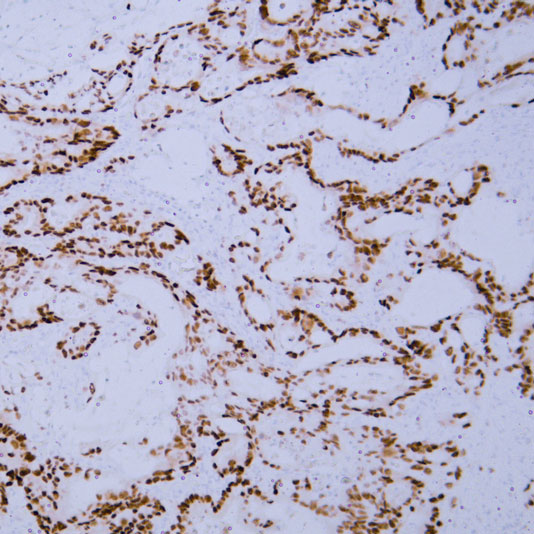
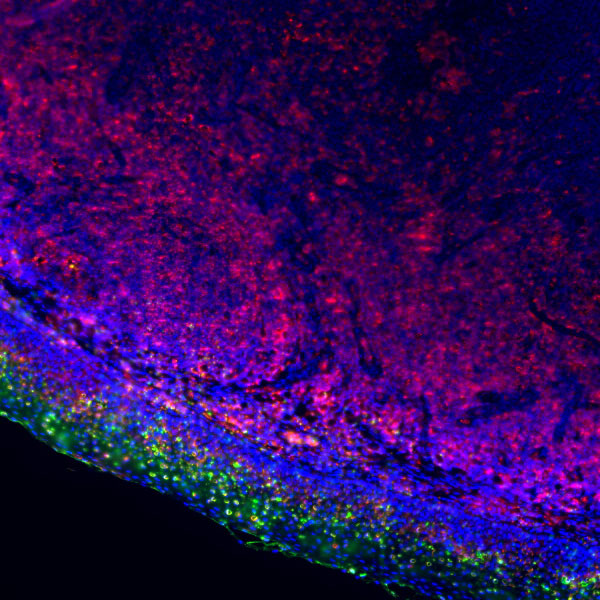

30,000+ high- quality products available online
Primary Antibodies, Secondary Antibodies, mIHC Kits, ELISA Kits, Proteins, Molecular Biology Products,Cell Lines,Reagents ...
Contact Us
-

400-801-6722
-

support@lamarck.cn
-


Order
-

Message