


cAMP signaling pathway
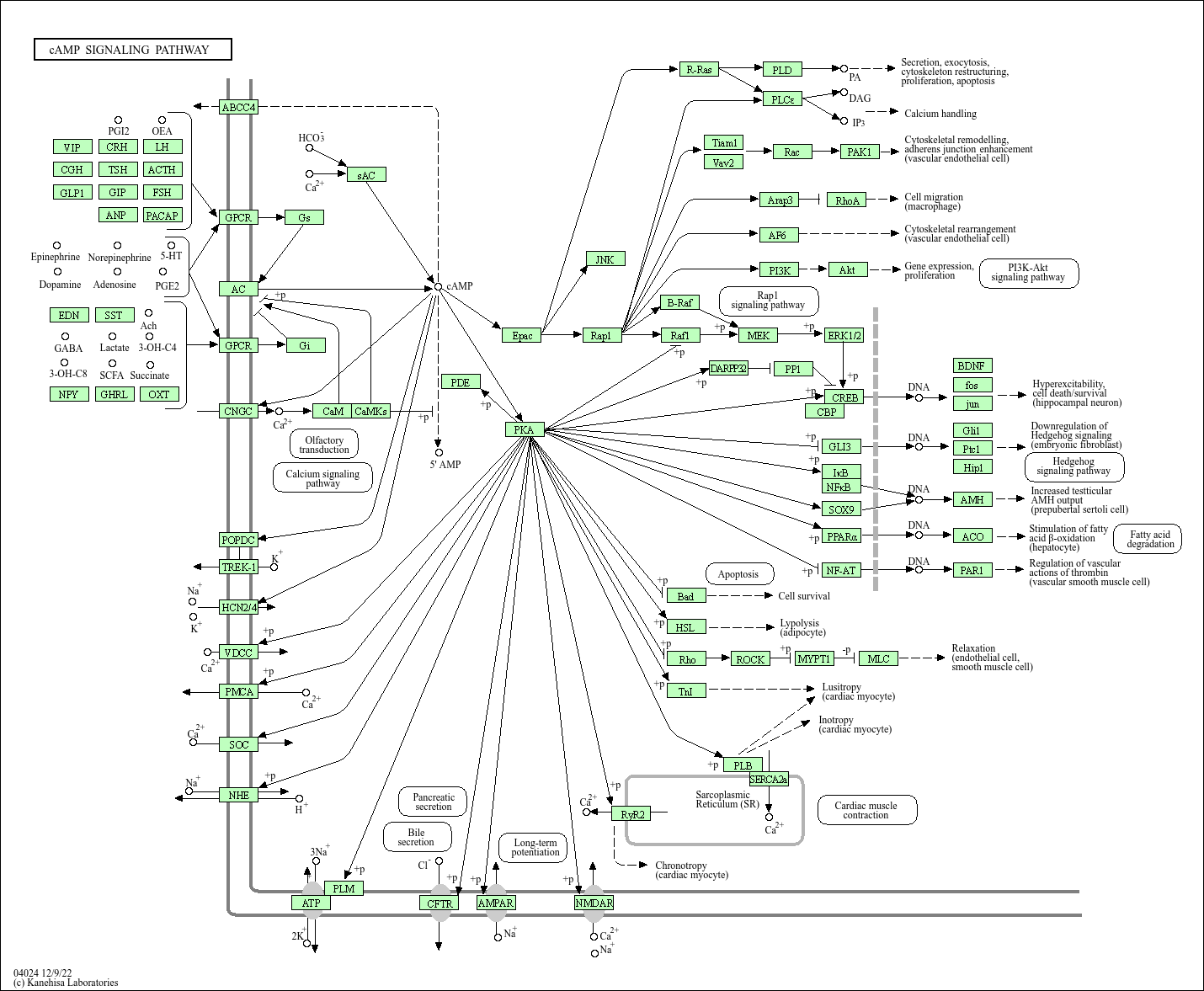
A classic signal pathway with cAMP as the second messenger, mediating signals such as hormones, neurotransmitters, and growth factors. The signal activation process: ligands bind to G protein-coupled receptors (GPCR), activating Gs proteins, which in turn activate adenylyl cyclase (AC) to catalyze ATP into cAMP; cAMP binds to and activates protein kinase A (PKA), which phosphorylates downstream substrates (e.g., CREB transcription factor) to regulate target gene expression. Core functions include metabolic regulation (e.g., adrenaline promotes glycogenolysis through this pathway), cell proliferation and differentiation, secretion regulation (e.g., insulin secretion), and maintenance of cardiovascular homeostasis (e.g., vasodilation). Pathway abnormalities are associated with asthma (β2 receptor dysfunction), hyperthyroidism, and tumors (e.g., excessive cAMP activation in pituitary adenomas). Phosphodiesterase (PDE) inhibitors (e.g., cilostazol) and PKA inhibitors are important therapeutic drugs.
Core function: Use cAMP as the second messenger to mediate hormone and neurotransmitter signals, regulating metabolism, proliferation, secretion, and cellular function modulation. Key regulatory molecules: AC (adenylyl cyclase), PKA, CREB, PDE (phosphodiesterase), G proteins (Gs/Gi).
Core function: Use cAMP as the second messenger to mediate hormone and neurotransmitter signals, regulating metabolism, proliferation, secretion, and cellular function modulation. Key regulatory molecules: AC (adenylyl cyclase), PKA, CREB, PDE (phosphodiesterase), G proteins (Gs/Gi).
Product list
-
{{item.title}}{{item.react}}{{item.applicat}}
Product list
Product name
Reactivity
Application
Related Resource Links



Related Promotional Journal Downloads


Explore Our Recommended Popular Products
More products
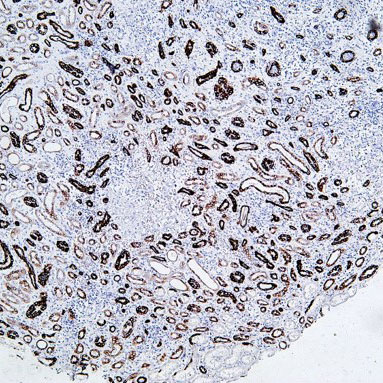
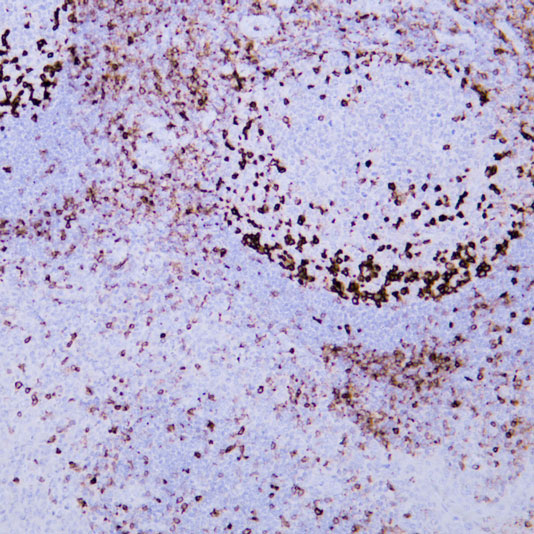
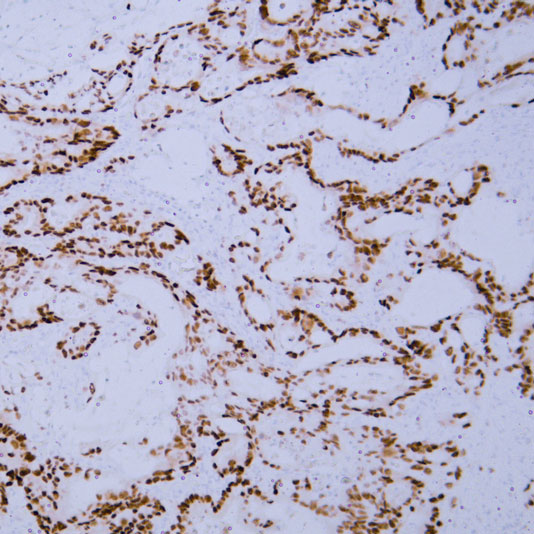
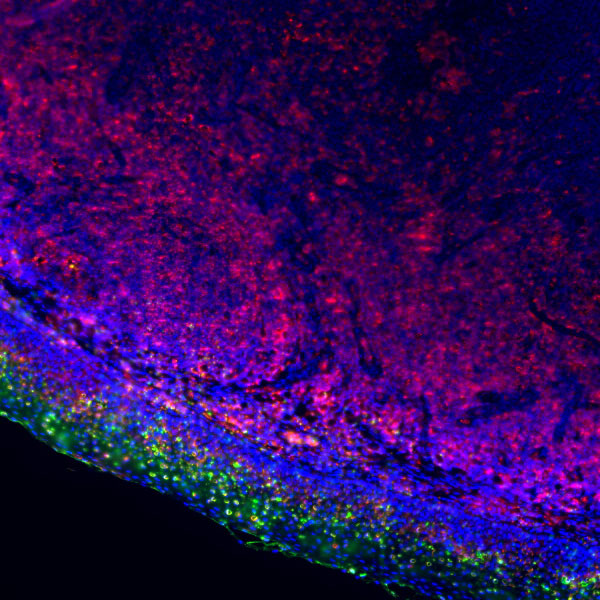

30,000+ high- quality products available online
Primary Antibodies, Secondary Antibodies, mIHC Kits, ELISA Kits, Proteins, Molecular Biology Products,Cell Lines,Reagents ...
Contact Us
-

400-801-6722
-

support@lamarck.cn
-


Order
-

Message